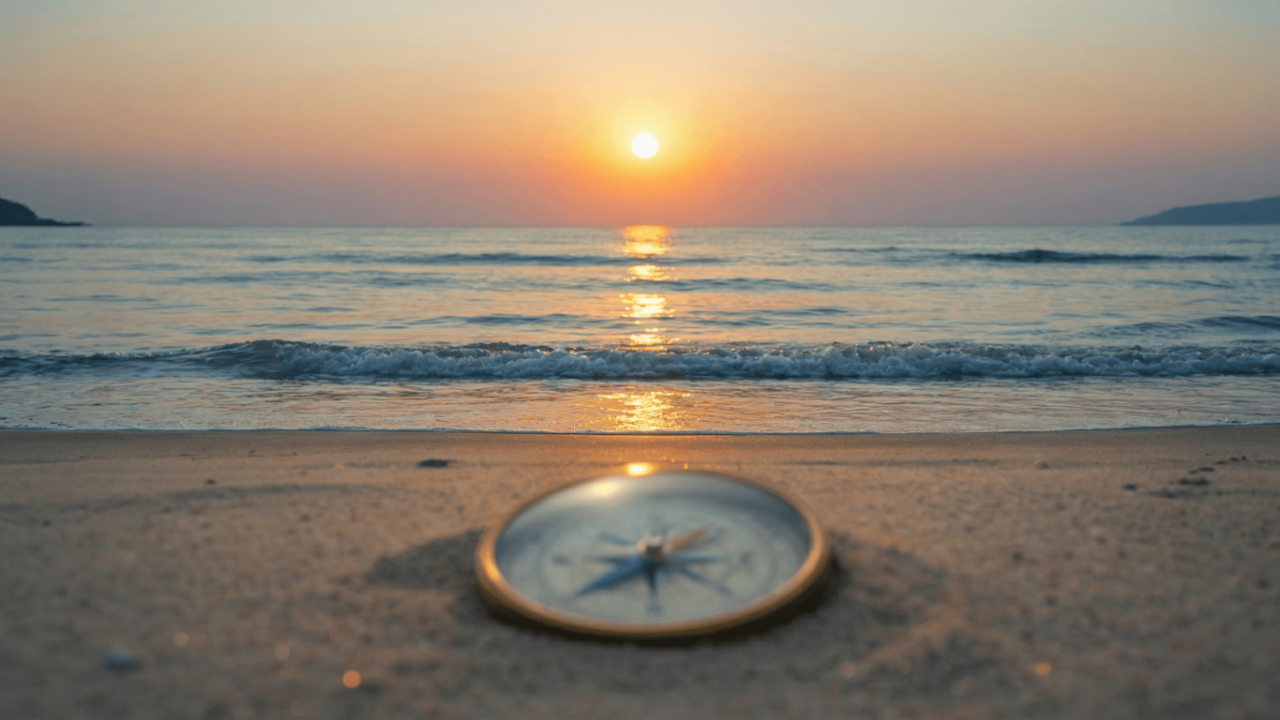
The Role of Maps in the Spiritual Journey
The mind loves creating maps. Whether we are aware of it or not, our minds naturally form a kind of mental map in every situation. For instance, when you step outside and walk down the street, your mind intuitively knows how to get back home, even if you're not consciously thinking about it. This process is part of how the mind works, and there's nothing inherently wrong with it.
However, when it comes to spiritual growth, simply reading a map without walking the path it describes is meaningless. A map becomes valuable only when we actively use it. It's like buying a map of Paris while living in New York it’s pointless unless you actually go to Paris. Once you’re there, the map becomes useful, guiding you through the city. You can fold it up, put it in your pocket, and enjoy the journey. The map isn’t the end goal, but a tool to help navigate the experience.
There are countless spiritual maps whether it’s the ten fetters, the direct path, or any other system, thousands of them exist, developed over millennia. The key is to recognize that the map is just a framework, a way to point you toward what’s right in front of you. If you feel a need for a map, use one. It doesn’t have to be the perfect map; it just needs to guide you to where you want to go. The true value of any map is in taking the journey and experiencing what it points to firsthand.
Many people may not realize just how many spiritual maps there are, but walking into this vast "map store" can sometimes feel overwhelming. It’s easy to get caught up in trying to find the right map or to structure our understanding of the spiritual path. But in reality, there may not be a need for a map at all. Some enjoy creating their own maps, writing books or articles as a way to deepen their sensitivity to the experience. The joy doesn’t come from the accuracy of the map, but from walking the path itself. Others might prefer using an existing map, and if it works for them, that’s wonderful. The point is that the map is a tool to guide you, not a necessity.
For those who are feeling lost or confused, a map can indeed be helpful, offering clarity about the next step to take. However, it’s important to understand that accuracy isn’t the goal. The key is to use the map practically, applying it to your experience. Simply reading about spiritual paths, comparing philosophies, or studying structures without actually walking the path is ultimately pointless.
Consider visiting an ancient library in a new city. Inside are endless shelves of books, each containing knowledge, wisdom, or philosophies written by countless people over time. Some might feel compelled to spend their whole life reading every book, eager to absorb everything they can. Others may simply enjoy being in the presence of all that accumulated wisdom, feeling the energy of the space without needing to consume it all.
Spiritual maps work much the same way. If you need one, by all means, use it. But remember that the true purpose of any map is to help guide you toward the experience. If you’re satisfied with where you are, or if you’ve already walked the path, you may not need a map at all. At the end of the day, it’s about discovering what works for you and being open to exploring deeper layers of the journey.
Whether you’re walking without a map or with one in hand, the path itself is where the real value lies.